Language
ZH

Choose Language

HOME INsights Combustion Practical applications of combustion gas analysis: versatility in action
Combustion

Practical applications of combustion gas analysis: versatility in action

Practical applications of combustion gas analysis: versatility in action
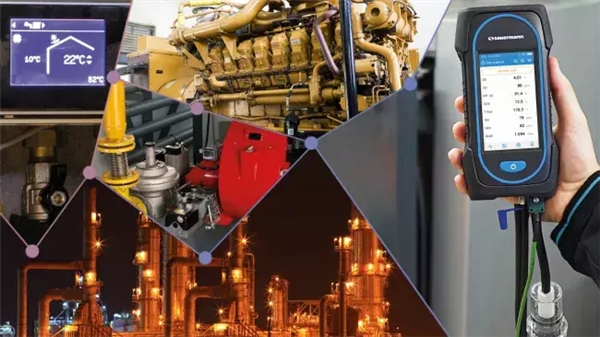
Avec l’accumulation des règlementations et des impératifs environnementaux, l’analyse de combustion devient de plus en plus exigeante au fil des années. Les professionnels du secteur couvrent désormais un très large spectre de mesures selon les machines et les secteurs concernés. Cette discipline transverse touche donc plusieurs applications pratiques principales, qui exigent des analyseurs de combustion particulièrement polyvalents.

Energy efficiency: a central concern

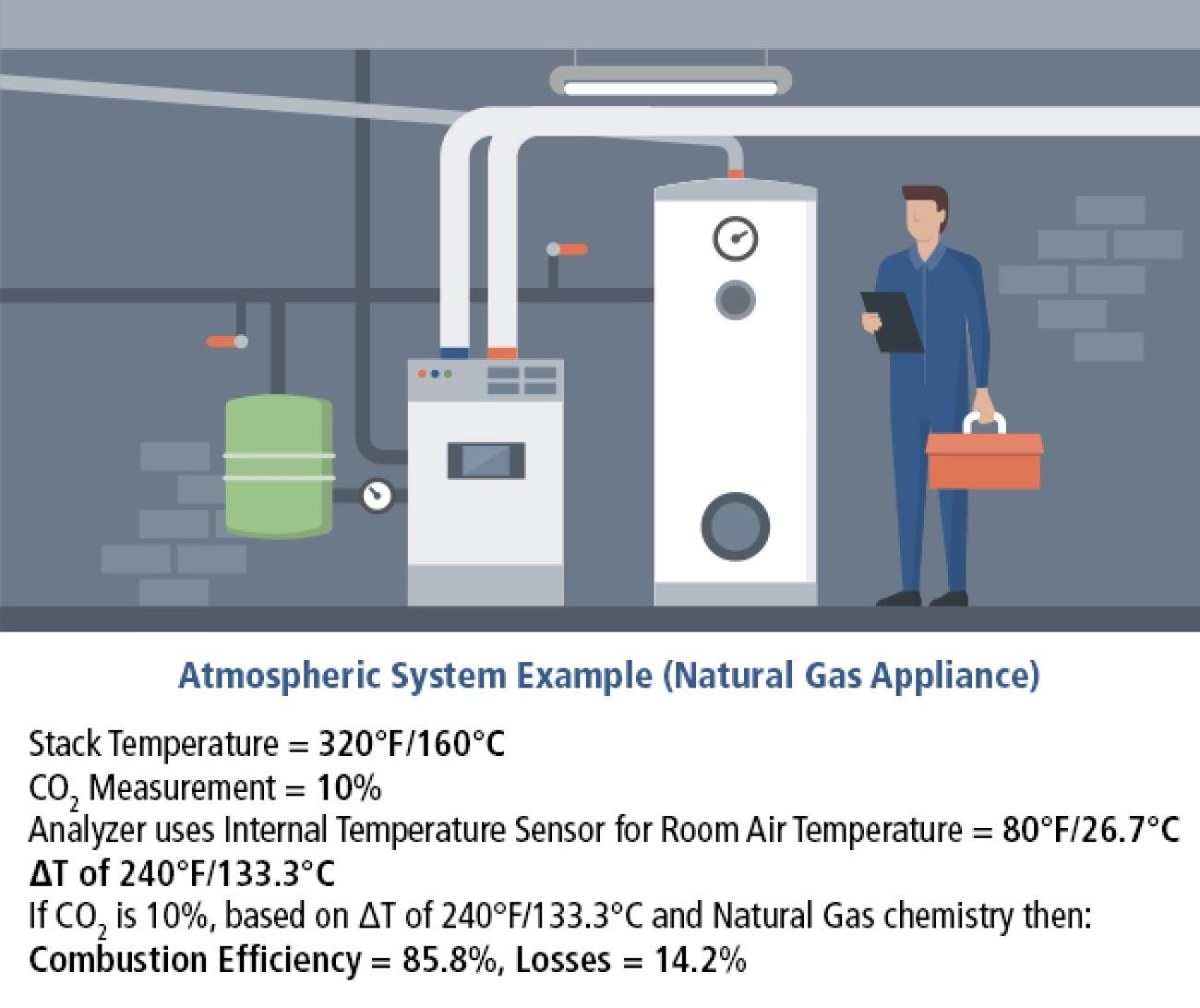
Energy efficiency is a key measure of a boiler’s performance, irrespective of the fuel it uses. Ever stricter environmental standards continue to raise the bar for combustion performance, energy efficiency and greenhouse gas emissions.

1.jpg

Checking whether a boiler, furnace, or other combustion equipment is properly optimised requires a modern combustion gas analyser capable of calculating combustion efficiency. Making this calculation can be a complex task. But instruments such as the Si-CA 030130 and 230 analysers, working in tandem with the dedicated Sauermann Combustion app, can deliver reliable results – all compiled into a comprehensive electronic report.

Combustion efficiency accounts for a large part of a boiler’s overall performance, alongside condensing technology and other heat recovery systems. What’s more, efficient performance helps to limit the amount of incomplete combustion residues (pollutants) released in the flue gases along with optimizing fuel savings.

Gas emissions: measuring to perfection

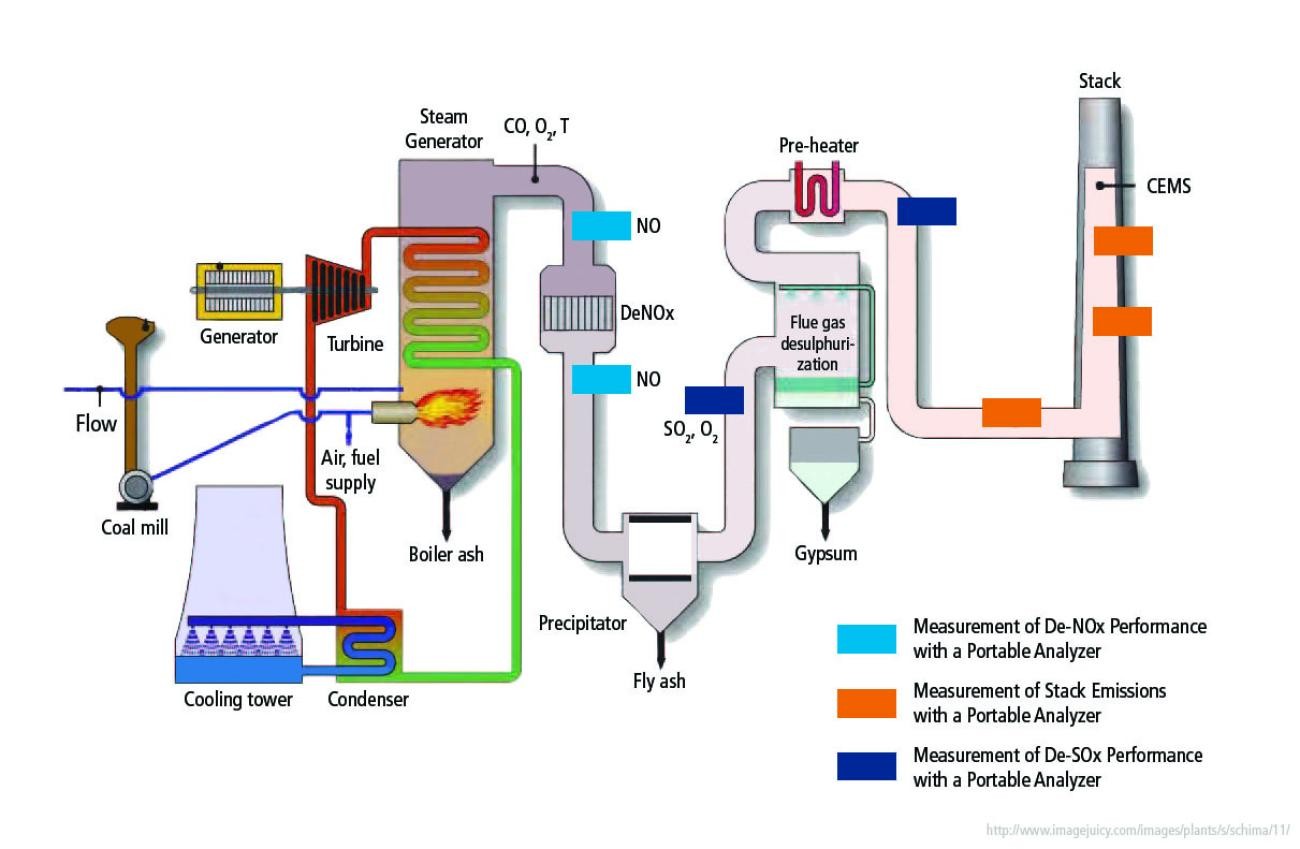
The emissions combustion equipment need to be monitored closely. But this is no easy task, since measuring emission levels requires a deep understanding of different types of combustion equipment machine, as well as how they function and what fuels they use. Combustion professionals therefore need expertise across a wide range of gases (CO, NO, NO2, SO2, CO2, HC, H2S, VOCs, O2 and more). And the method they use varies depending on the technology, power and reaction temperature of the emissions source machine in question.

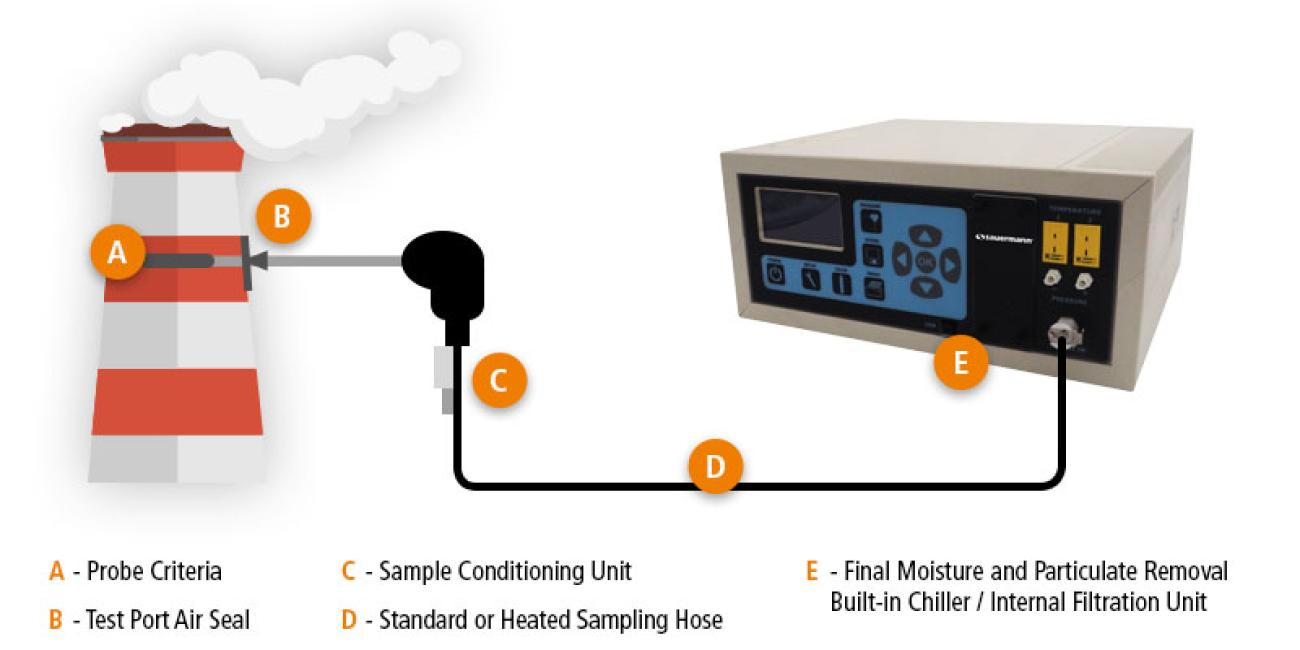
In some cases, engineers will need to use accessories such as gas chillers and dehumidifiers, high-temperature probes or anti-dust pre-filters in order to avoid obtaining false measurements and to protect the instrument’s electro-chemical cells. It is important to have proper conditioning of the flue gas sampled to ensure the gases are representative of what is in the stack and optimize measurement accuracy.

1.jpg

The Si-CA 230 comes with a built-in dilution system for measuring high concentrations of CO (up to 50,000 ppm) while protecting the CO sensor from over-saturation that can damage the sensor. The analyser can also calculate flue gas velocity using a Pitot tube.

Some industrial-grade boilers, engines, heaters, incinerators, & other combustion equipment require even more advanced measurement capabilities. In these cases, engineers will require a portable instrument like the Si-CA 8500, which boasts additional features such as a built-in thermoelectric gas chiller with automatic condensate removal.

Gas and diesel engines: strict compliance and safety standards

Some combustion systems such as gas and diesel engines emit highly polluting and toxic exhaust gases, along with hydrocarbons and particulate matter. Servicing these types of engines involves taking accurate measurements to make sure they meet environmental and safety.

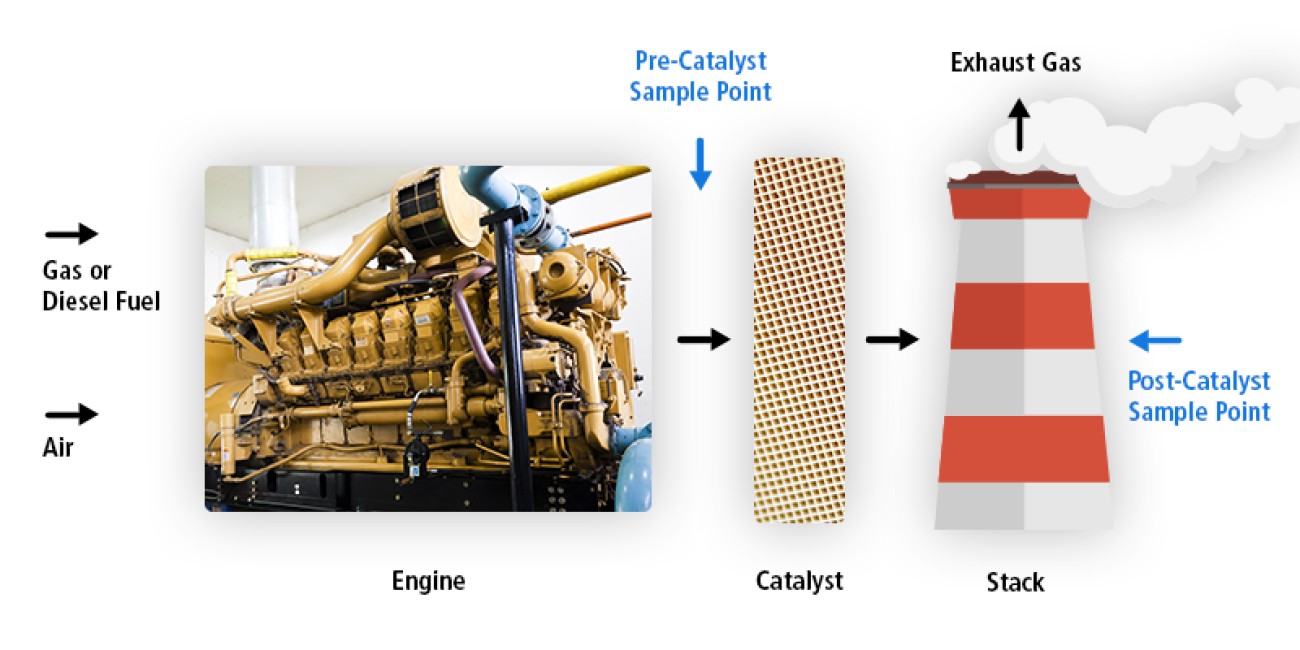
Once again, specialists need to monitor emissions, checking for concentrations of CO and NOx (which are highly toxic) as well as hydrocarbon residues (or CxHy), which are also toxic pollutants and which indicate incomplete combustion inside the engine (suggesting that the combustion reaction is neither fully optimised nor energy-efficient).

1.jpg

An analyser such as the Si-CA 230 is highly recommended for these types of industrial machine, since it can withstand extremely high CO concentrations (up to 50,000 ppm thanks to its built-in dilution system) and is capable of measuring hydrocarbon (CxHy) residues of up to 5% upstream of the catalyst. The Si-CA 230 can also provide a Total NOx measurement with NO & NO2 sensors both pre and post catalyst.

CO, CO2, NOx, SO2, CxHy: key targets for health and the environment

As has become clear, combustion gas analysis isn’t just about measuring gas temperature, velocity and pressure. The main focus of the exercise is on specific gases – as well as on oxygen, which is an essential gas for calculating air to fuel ratio but poses no safety or pollution concerns.

1.jpg

Modern combustion gas analysers like the Si-CA 030, 130 and 230, when coupled with user-selected gas sensors, are capable of measuring all the critical gases covered in this article. See this page for full details of their capabilities and features. The Si-CA 230 model can also measure hydrogen sulphide (H2S), which is a rarer but extremely toxic compound, as well as NO, NO2 and SO2 at low concentrations.


在线留言
  • Your name *
  • Your phone *
  • Comment *
The name cannot be empty
The phone number cannot be empty
The comment cannot be empty
Submission successful
Submission failed
Related blogs
  • Heat pumps: how do they work and how to maintain them?
    Heat pumps: how do they work and how to maintain them?

    Heat pumps are the new stars of the heating world. These systems outperform others on several fronts, and many governments are introducing new laws and regulations to encourage their use, not least because they’re better for the environment and help combat climate change. In this article, we take a detailed look at the nuts and bolts of this technology.

    Instruments

  • Digital Manifolds: Sauermann Launches its New Generation Range
    Digital Manifolds: Sauermann Launches its New Generation Range

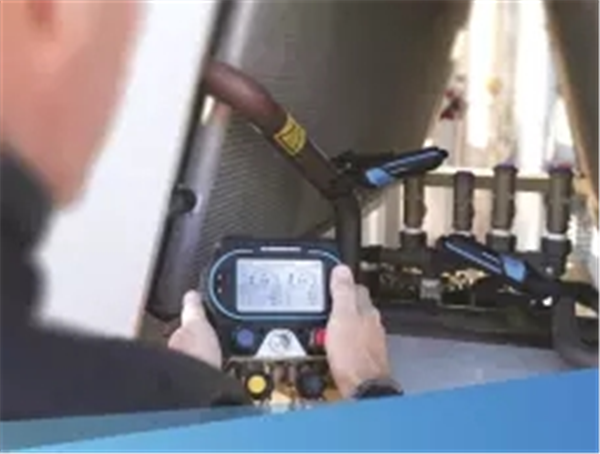
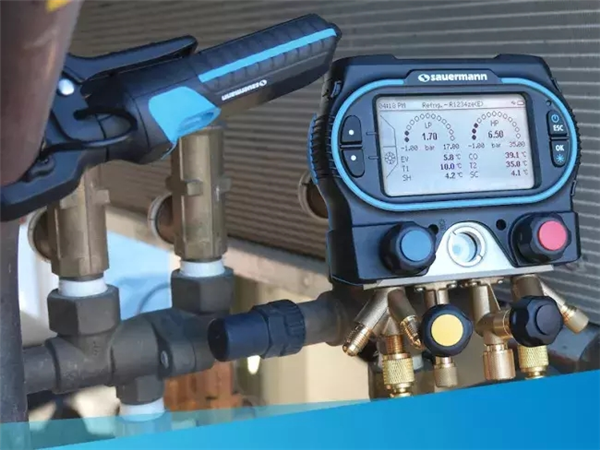
    Two new manifolds, their probes and connected accessories come onto the market, equipped with the latest technologies. Sauermann is launching two new digital manifolds, along with the necessary sensors and accessories, for working on all types of installations using refrigerant: heat pumps, air conditioning, refrigeration and reversible systems, across all sectors from domestic to industrial.

    Instruments
  • From HVAC to Formula 1: the amazing Pitot tube
    From HVAC to Formula 1: the amazing Pitot tube

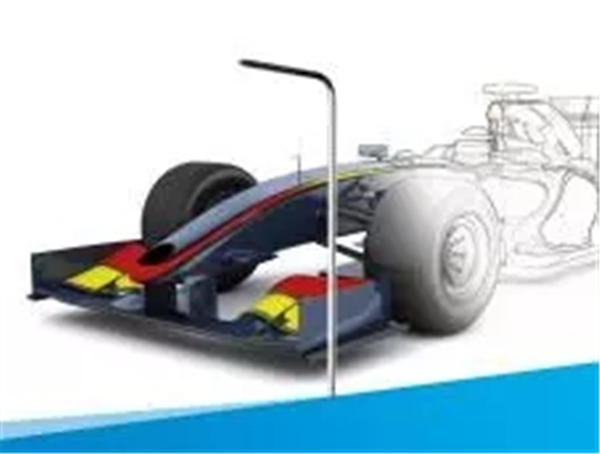
    Heating, ventilation, air-conditioning and refrigeration professionals are among the world's foremost experts in airflow: balancing pressures, measuring velocities, ensuring that systems operate at maximum efficiency... So these pros know all about their trusty Pitot tube, the simple yet brilliant device that measures a fluid's velocity and calculates its flow rate. But did you know that the same fundamental technology used in ducts plays an essential role in the highly demanding world of Formula 1 racing? Let's dive into the fascinating (and surprisingly complex) ways in which pitot tubes are used in F1, to see these instruments in a whole new light.

    Instruments
  • Verder Announces Acquisition of Sauermann
    Verder Announces Acquisition of Sauermann

    Vleuten, Netherlands –18-09-2024 Verder, global technology leader in advanced pumping & scientific solutions, is proud to announce the acquisition of Sauermann, a leading supplier in the HVAC-R market. This strategic acquisition marks a significant step forward for Verder, as it continues to expand its product portfolio and strengthen its position in the global pump and equipment industry.

    News
Need help